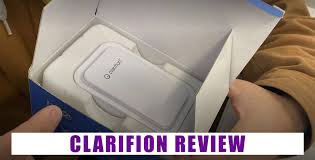
When considering a complaints against clarifion air purifier for your home or office, it is essential to be aware of potential drawbacks and limitations. Users’ experiences reveal several factors that may influence your satisfaction with the unit. Here are the most commonly reported considerations, presented in a FAQ-style format to make them easy to understand.
How noisy is a Clarifion unit during operation?
Many consumers report that while the device operates quietly on low settings, it can become noticeably louder on higher settings. For users sensitive to sound, this could be a concern, especially when used in bedrooms or workspaces. Some reviews indicate that noise levels can interfere with sleep or concentration, suggesting that placement and setting adjustments are important before purchase.
Does the unit require frequent maintenance?
Clarifion units are generally marketed as low-maintenance air purifiers. However, some users report that components such as ionizing plates or filters may require periodic cleaning to maintain performance. Failing to clean the unit regularly can reduce efficiency and may contribute to the accumulation of dust on nearby surfaces.
Are there limitations on the types of pollutants it removes?
Clarifion units are effective at capturing airborne particles like dust, pollen, and pet dander. Yet, several users highlight that the unit may be less effective against odors, gases, or volatile organic compounds (VOCs). This suggests that while the unit can improve overall air quality, it may not fully replace other forms of filtration for chemical pollutants.
Is ozone emission a concern?
Some ionizing air purifiers can generate trace amounts of ozone. While Clarifion units claim to meet safety standards, a small portion of users express concerns about potential irritation from ozone, particularly for those with respiratory sensitivities. Monitoring the room for any noticeable odor or irritation is recommended when first using the device.
How large of a space can it effectively cover?
The performance of a Clarifion unit depends on room size. Several users report that effectiveness diminishes in larger areas, emphasizing the importance of checking the manufacturer’s recommended coverage before purchase. Using the unit in a space beyond its capacity may reduce air cleaning efficiency.
Does the design or placement affect performance?
Some users note that the unit’s efficiency is influenced by placement. Units placed in corners or obstructed areas may not circulate air as effectively. Optimal placement in central, unobstructed locations is key to achieving the best results.
In summary, while Clarifion units offer many benefits, potential buyers should carefully consider noise levels, maintenance needs, pollutant coverage, ozone concerns, room size, and placement. Understanding these limitations can help ensure realistic expectations and maximize the unit’s effectiveness in improving indoor air quality.