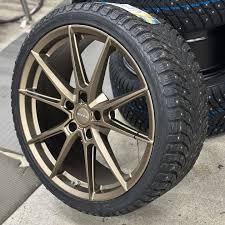
Choosing the right rims for different seasons is just as important as selecting the appropriate tyres. Many drivers focus on tyre types when preparing their vehicles for winter or summer, but Rims (Fälgar) also play a crucial role in overall performance, durability, and safety. Understanding how winter and summer rims differ can help you make better decisions and protect your vehicle throughout the year.
Differences in Material and Durability
Winter rims are typically designed to withstand harsh weather conditions, including snow, ice, road salt, and extremely low temperatures. These rims often come in materials or finishes that are more resistant to corrosion and wear. A durable coating helps prevent rust, ensuring the rims maintain their structural integrity despite constant exposure to moisture and chemicals on winter roads.
Summer rims, on the other hand, are generally made for dry and warm conditions. They tend to focus more on aesthetics and lightweight performance, offering sleek designs and polished finishes. While these rims look great in sunny conditions, they may be more vulnerable to damage when exposed to winter elements.
Performance and Handling Considerations
When driving in winter, stability and grip are paramount. Winter rims are usually paired with narrower tires, which help improve traction on snow-covered or icy surfaces. Their design focuses on providing reliable control even when road conditions become unpredictable. Because of their added durability, winter rims may weigh slightly more, but this is often an advantage when tackling slippery roads.
Summer rims are created to enhance handling, cornering, and responsiveness in warm weather. With their lightweight nature, they reduce rotational mass, which contributes to improved acceleration and agility. These rims are typically paired with wider tyres that offer excellent road grip on dry surfaces, making them a preferred choice for drivers who value performance in warmer months.
Protecting Your Investment
Switching between winter and summer rims is also a practical way to extend the lifespan of both sets. By using weather-appropriate rims, drivers can safeguard their vehicles from unnecessary wear and tear. Storing the unused rims in a clean, dry place ensures they remain in excellent condition for the next season.
Regular inspections are important for both types of rims. Checking for cracks, corrosion, or bends helps maintain safety and prevents costly repairs. Proper cleaning, especially after winter driving, will also keep rims looking and performing their best.
Understanding the purpose and advantages of winter and summer rims allows you to make informed choices that enhance both safety and driving enjoyment. With the right setup for each season, you can ensure your vehicle delivers reliable performance all year long.